
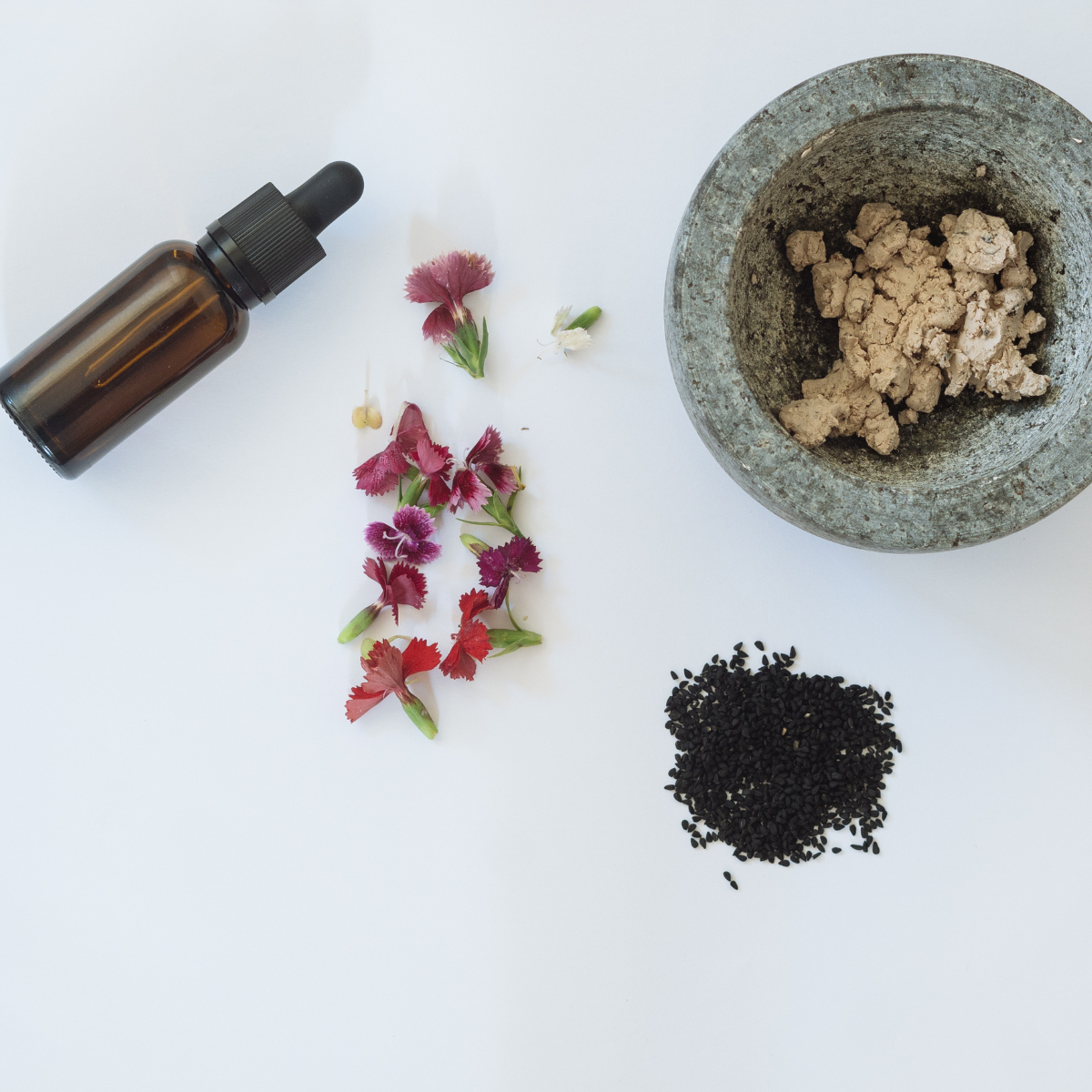
Ayurveda, India’s ancient system of holistic medicine, has been healing minds and bodies for over 5,000 years. Traditionally focused on prevention and balance through dosha management, herbal remedies, and lifestyle modifications, Ayurveda is now stepping into a new era. With the rise of modern-day ailments such as stress-related disorders, diabetes, cardiovascular diseases, respiratory illnesses, and lifestyle-induced hormonal imbalances, innovation in Ayurveda is ensuring this time-tested wisdom remains relevant, effective, and accessible in the 21st century.
Let’s explore how Ayurveda is blending tradition with technology, research, and product development to address the challenges of modern healthcare.
The Need for Innovation in Ayurveda
The 21st century has seen a surge in lifestyle diseases — conditions linked to sedentary living, processed foods, pollution, and high stress. Non-communicable diseases (NCDs) like type 2 diabetes, hypertension, obesity, and chronic respiratory disorders now account for over 70% of global deaths.
While modern medicine offers advanced diagnostics and life-saving treatments, there is a growing shift towards preventive healthcare, holistic healing, and natural remedies. Ayurveda, with its personalised approach to wellness, is uniquely positioned to fill this gap. However, for Ayurveda to meet modern expectations, it needs scientific validation, standardized formulations, and innovative delivery systems — and that’s exactly what’s happening today.
Research-Driven Ayurveda: Evidence-Based Healing
One of the biggest changes in recent years is the integration of scientific research into Ayurvedic practices. Leading Ayurvedic companies and research institutions are conducting clinical trials to validate the efficacy and safety of herbal formulations for modern ailments.
For example:
- Ayurvedic anti-diabetic formulations like Nisha Amalaki are being studied for their impact on blood sugar control and insulin sensitivity.
- Herbal adaptogens like Ashwagandha are backed by research for reducing cortisol levels, enhancing sleep quality, and improving mental resilience.
- Curcumin (from turmeric) has gained global recognition for its anti-inflammatory and antioxidant properties, supported by numerous scientific studies.
This evidence-based approach not only enhances the credibility of Ayurveda but also boosts its global acceptance.
Innovative Product Development in Ayurveda
Ayurveda is no longer limited to powders, pastes, and decoctions. Today’s consumers want convenience without compromising on authenticity. This has led to a wave of modern Ayurvedic products:
- Ayurvedic Nutraceuticals – Capsules, tablets, and gummies enriched with herbal extracts for immunity, joint health, digestion, and skin wellness.
- Herbal Teas & Functional Beverages – Caffeine-free, antioxidant-rich blends for detox, stress relief, and metabolism support.
- Topical Formulations – Ayurvedic balms, serums, and creams for pain relief, skin conditions, and hair growth.
- Ayurveda-based Medical Foods – Specialised nutrition solutions for conditions like PCOS, obesity, and cardiovascular health.
The focus is on standardized extracts, bio-enhanced formulations, and dosage precision, making Ayurveda more user-friendly and globally compliant.
Digital Ayurveda: Tech Meets Tradition
The digital health revolution has touched Ayurveda too. From AI-powered dosha analysis to teleconsultations with Ayurvedic practitioners, technology is making ancient healing more accessible than ever.
- Ayurvedic Health Apps – Personalized diet, yoga, and herbal recommendations based on your dosha profile.
- Wearable Integrations – Fitness bands and smartwatches linked to Ayurvedic wellness trackers.
- E-commerce Ayurveda – Direct access to high-quality Ayurvedic supplements and wellness kits with doorstep delivery.
This integration of Ayurveda and technology ensures that more people can adopt its preventive health approach in their busy, modern lives.
Addressing Modern Ailments with Ayurvedic Innovation
Ayurveda’s adaptability lies in its core principle — treating the root cause rather than just the symptoms. Here’s how it is innovating to meet today’s health challenges:
- Stress and Mental Health Disorders
Adaptogens like Brahmi, Shankhpushpi, and Ashwagandha are now available in quick-dissolve tablets and stress-relief teas.
Ayurvedic meditation and breathing practices (Pranayama) are promoted via guided mobile apps.
- Lifestyle Diseases
Ayurvedic metabolic boosters like Guggul and Triphala are formulated into easy-to-consume capsules to support weight management and heart health.
- Respiratory Health
Turmeric milk powders, Tulsi teas, and herbal inhalers address pollution-induced respiratory discomfort.
Research-backed Ayurvedic combinations for asthma, COPD, and allergic rhinitis are gaining traction.
- Skin and Hair Concerns
Ayurveda-inspired cosmeceuticals infused with Neem, Aloe Vera, and Manjishtha provide natural skincare solutions for acne, pigmentation, and premature ageing.
Globalisation of Ayurveda: From Local Remedy to International Wellness
The World Health Organization (WHO) has recognised Ayurveda as a traditional medicine system, and global interest is surging. Ayurvedic products are now exported worldwide, with markets in Europe, USA, Middle East, and Southeast Asia witnessing steady growth.
International demand has encouraged manufacturers to adhere to GMP standards, adopt sustainable sourcing, and ensure eco-friendly packaging — blending ancient wisdom with modern business ethics.
The Road Ahead
Ayurveda’s evolution is proof that ancient systems can thrive in modern times — provided they adapt. With ongoing R&D, global collaborations, and digital transformation, Ayurveda is set to play a major role in addressing the dual challenge of lifestyle diseases and preventive healthcare.
From bioactive herbal extracts to AI-powered wellness tracking, the possibilities are endless. The future of Ayurveda is not about replacing modern medicine but integrating with it for a truly holistic, personalised, and preventive approach to health.
Innovation in Ayurveda is not about changing its essence — it’s about amplifying its reach, improving its efficacy, and making it relevant for today’s fast-paced, health-conscious world. In a time when people are seeking natural, sustainable, and effective solutions, Ayurveda stands at the perfect intersection of tradition and technology, ready to heal the ailments of modern life.